Home & Garden
Growing food when all you have is a balcony
Container gardening will not feed a household. It can, with a little stubbornness, change what a small home produces in a summer — and what people learn about soil, water, and patience.
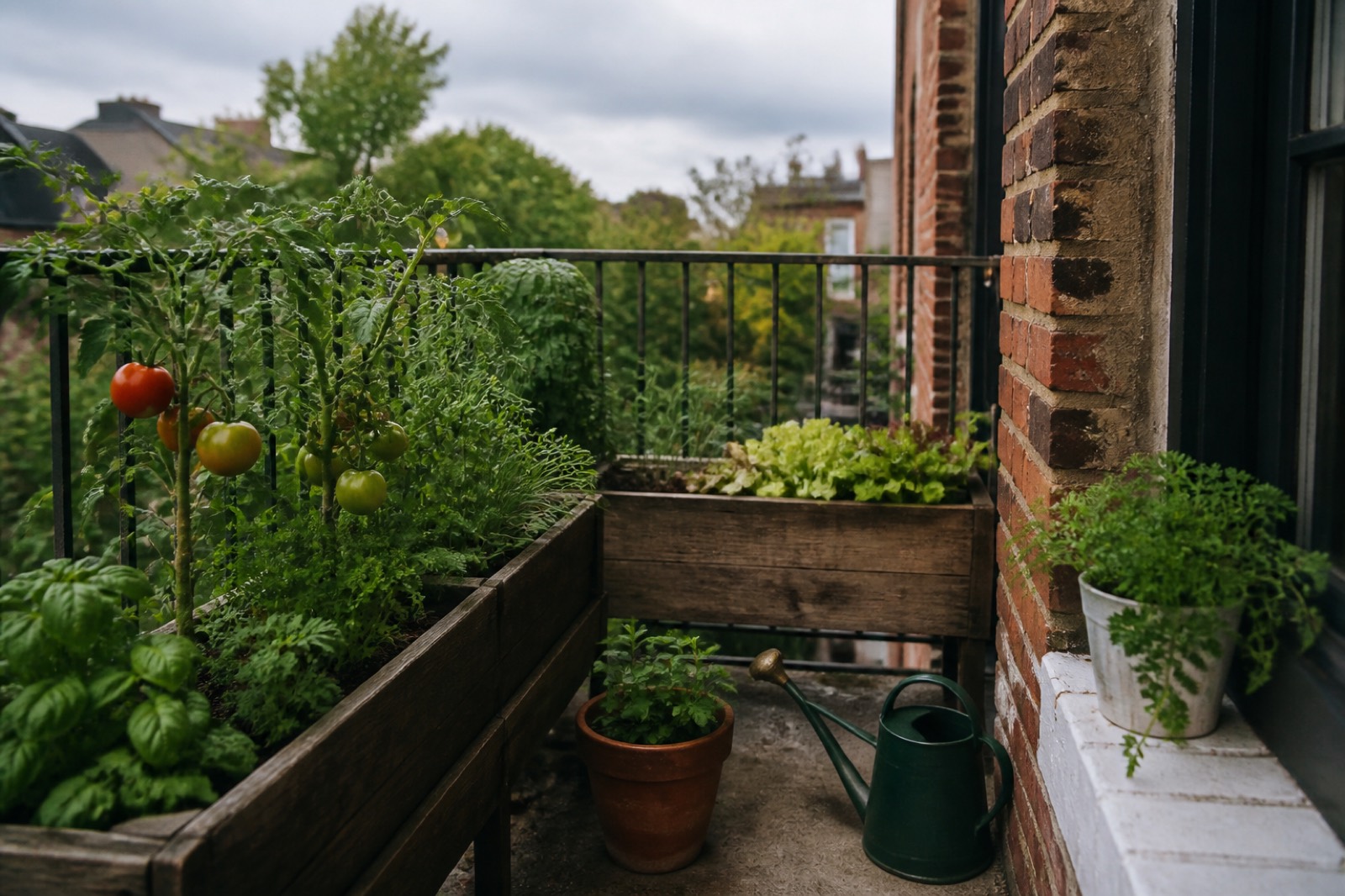
A balcony is a poor farm. It is windy, often shaded for half the day, and subject to building rules written by people who have never carried compost up four flights of stairs. It is also the only outdoor space millions of city residents have. The question is not whether a few pots will replace a grocer. It is whether they are worth the trouble, and what “worth it” means when the harvest is a bowl of tomatoes and a clearer sense of how plants actually grow.
The honest answer, after a decade of social-media allotments and a shorter boom in pandemic seed catalogues, is mixed. People abandon balcony gardens for the same reasons they abandon gym memberships: the first month is exciting, July is hot, and August is a holiday. The gardens that last tend to be small, repetitive, and slightly ugly. They are not styled. They are used.
What actually grows in a box
Depth matters more than width. A shallow tray of lettuce will work in spring and sulk in a heatwave. A 30-centimetre pot of tomatoes, peppers, or dwarf beans has a better chance, provided it is watered with a seriousness that surprises newcomers. Containers dry out fast. In a south-facing third-floor wind corridor they can need water twice a day in July. Automatic drippers help if you remember to fill the reservoir. A neighbour who will water while you are away helps more.
Herbs remain the reliable crop. Mint, chives, parsley, and thyme forgive irregular care and earn their keep in ordinary cooking. Fruiting plants are a worse bet unless you like the plant as much as the fruit. A well-grown chilli in a pot is handsome even in a poor year. A supermarket raspberry cane in a 15-litre bucket is a lesson in disappointment.
Soil is the part people cheap out on, then blame the plant. Garden-centre “multi-purpose” compost is inconsistent. A mix with more structure — some composted bark, some horticultural grit — holds water without turning to soup. Feeding is unglamorous and necessary. A fruiting plant in a pot exhausts its nutrients. A mild liquid feed every couple of weeks in the growing season is not a luxury product pitch. It is how container culture works.
Weight, water, and the building
Balconies have load limits. Wet compost is heavy. A line of large ceramic pots against a parapet can exceed what a slab was designed to hold, especially on older blocks. If you cannot get a figure from the building manager, err toward fewer, lighter containers and keep them near a load-bearing wall rather than cantilevered over a view you like.
Drainage is the other quiet conflict. Water that runs off your pots should not land on a downstairs clothes line. A tray helps; so does watering in the morning, slowly. Some leases forbid any planting. Those rules are often ignored until a leak appears. It is better to ask, and to keep the arrangement reversible, than to discover in a residents’ meeting that your tomatoes have become a precedent.
Why people keep doing it
The yields are modest. A careful balcony might produce salads for a month, herbs all summer, and a few kilos of tomatoes if the weather is kind. That will not show up in a household budget as a line item worth defending. What it does change is the texture of the week. You notice heat earlier. You waste less of a bunch of parsley. Children, if you have them, see that food is not a sealed package.
There is a political version of this story, in which every windowsill is a blow against industrial agriculture. That version overclaims. A more accurate one is smaller. Cities have stripped outdoor life down to balconies and parks. Using the balcony for something other than drying laundry is a way of staying in practice — with soil, with seasons, with the fact that living things fail for reasons you can sometimes fix. The harvest is optional. The practice is the point, and it fits in a space the size of a table.