Home & Garden
Indoor plants after the boom: what people still keep in winter
The houseplant craze left a residue of yellowing figs and guilty watering cans. The plants that remain in January are a shorter, tougher list — and a better guide to how rooms actually work.
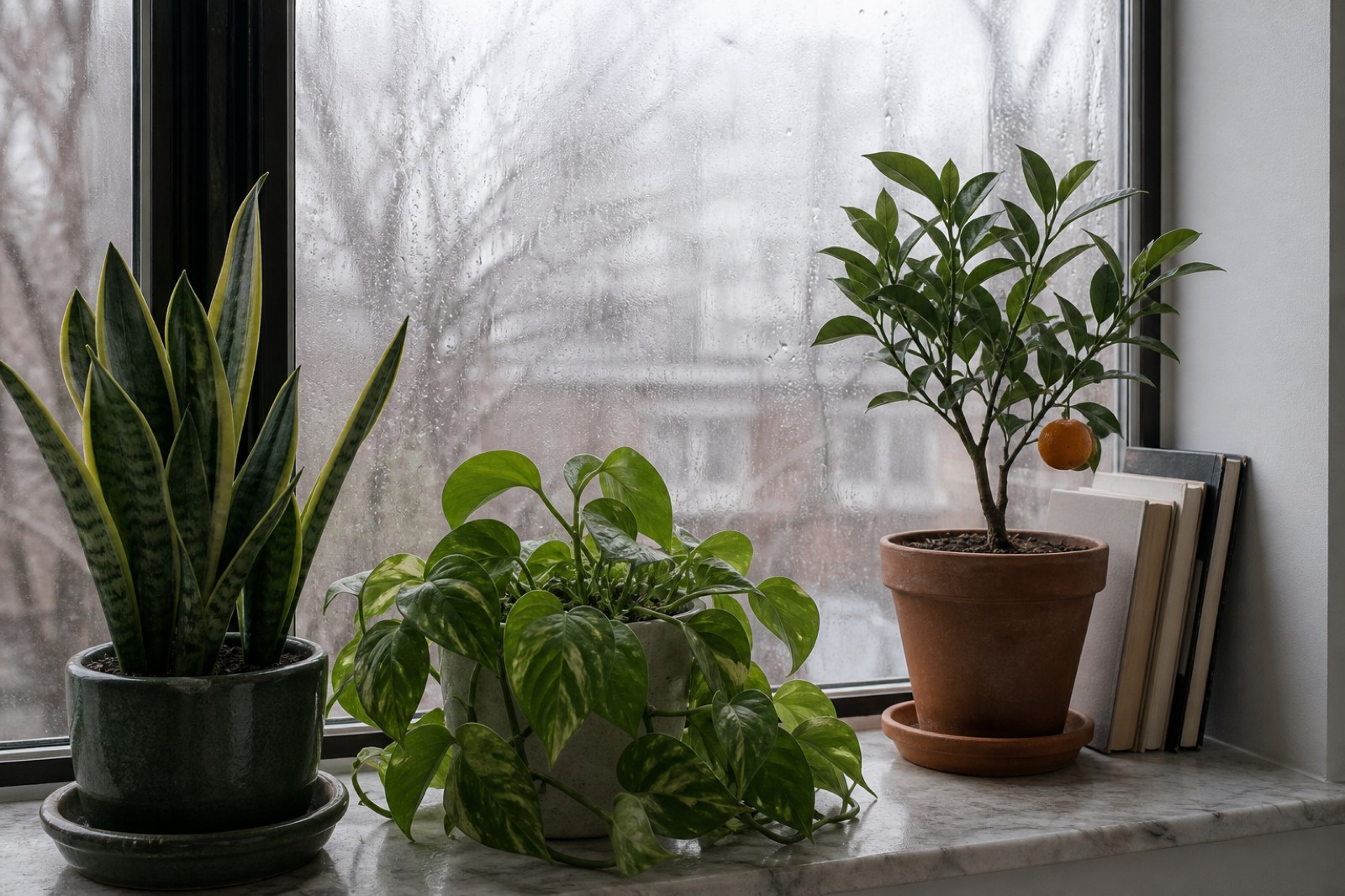
There was a period, not long ago, when a living room without a fiddle-leaf fig looked unfinished. Nurseries could not keep the fashionable species in stock. Advice columns spoke of “plant parenting” with a sincerity that now reads as a tell. Then winter arrived, central heating went on, and a generation of impulse purchases met dry air and a north-facing window. The boom did not vanish. It sorted itself. What remains on windowsills in February is a more accurate census of indoor life than any trend list.
The survivors are not mysterious. Snake plants, pothos, ZZ plants, and some philodendrons tolerate irregular water and mediocre light. They are unfashionable in the way that a well-made kettle is unfashionable: they do the job. People who kept them through two winters tend to speak less about wellness and more about not wanting a corpse in a cachepot.
Light is the constraint everyone lies about
A “bright room” in estate-agent language is often a cave by horticultural standards. Human eyes adjust. Plants do not get a vote. The distance from a window matters more than the size of the plant. A metre back from glass can be the difference between a citrus that sets fruit and a citrus that drops leaves and sulks until April. Grow lights work. They also make a room look like a laboratory, which is why they are more common among people who already accepted that indoor gardening is a hobby, not a backdrop.
Winter watering is the other failure mode. Central heating drops humidity. Soil in a small pot dries at the surface and stays wet at the root if you compensate with a weekly drowning. The boring advice is still the right one: feel the soil, water thoroughly when the top is dry, and empty the saucer. Decorative pots without drainage are how you grow fungus gnats. They look tidy in a photograph.
What the boom was really about
Indoor plants became a way to furnish rented rooms that could not be painted. They were cheaper than a sofa and more alive than a print. That is a reasonable impulse. It became a market with rarity pricing, unsolicited cuttings in the post, and a lot of shame. Shame is a poor growing medium. A plant that dies in a dark bathroom is not a character test. It is information about the bathroom.
There is still a culture of careful growers — people who know the difference between a dormant cycle and a decline, who quarantine new arrivals, who accept that a collection is work. They were never the viral audience. They are the ones still buying compost in November.
A smaller, better indoor garden
If the last few years leave a useful rule, it is this: match the plant to the room you have, not the room in the picture. One healthy plant in a place it can stand is better than five fashionable ones on a tour of decline. Grouping pots helps humidity a little. It does not repeal physics. A holiday watering arrangement with a neighbour is more important than a self-watering spike.
Homes are for people first. Plants that coexist with that fact — that can miss a week, that do not demand a pebble tray ritual every evening — are the ones that become furniture in the good sense. They mark time. They make a windowsill look inhabited in January, when the street is grey and the heating is loud. That is a modest aesthetic, and it has outlasted the boom for the same reason older houses outlast fashion: it fits the conditions on the ground.