Home & Garden
Keeping an older house cool without rebuilding it
Before air conditioning was ordinary, houses managed heat with shutters, attics, and shade. Those habits still work. They just have to compete with glass extensions and the assumption that a machine will handle August.
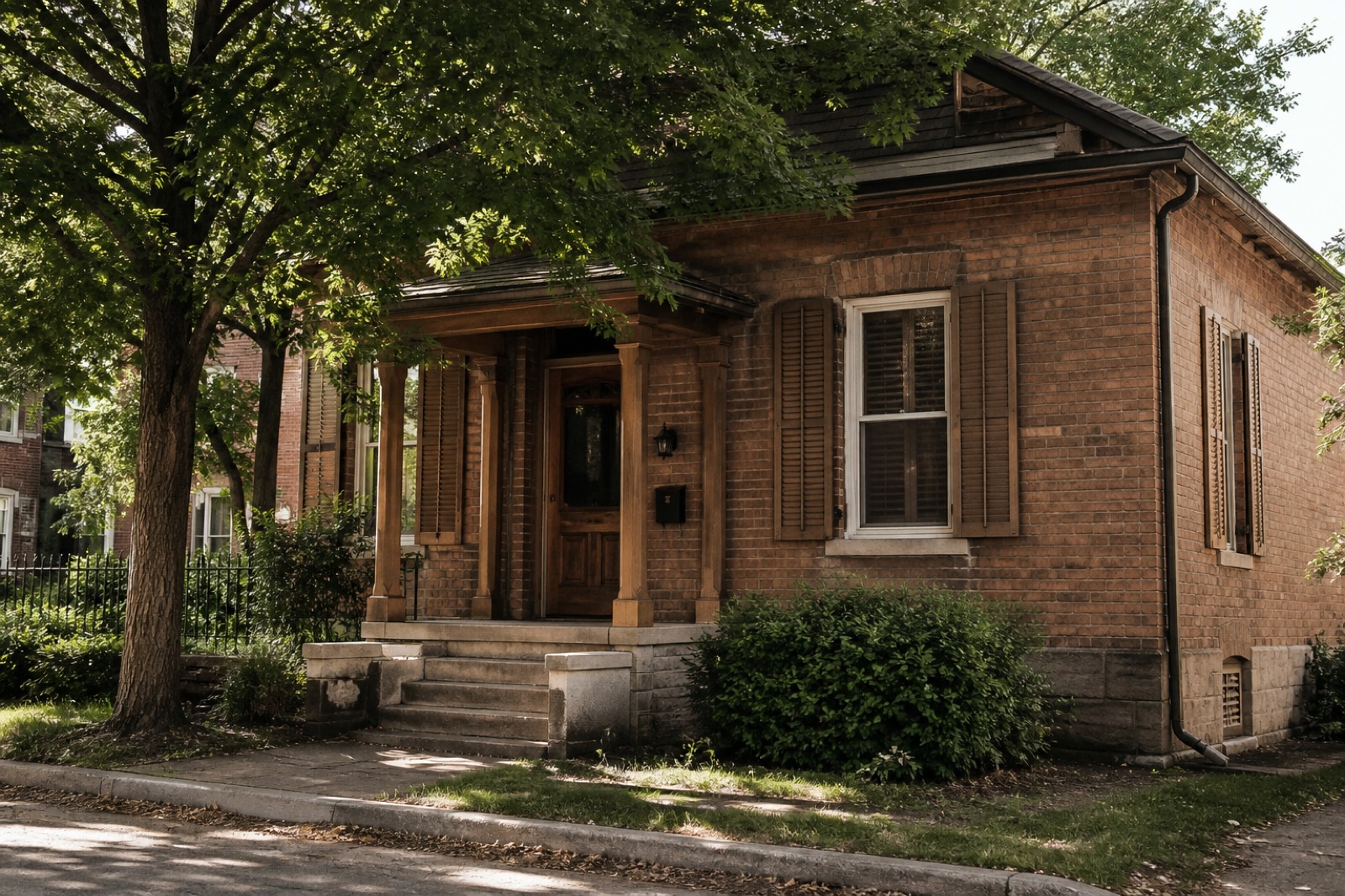
Older houses were not designed for a climate in which nights stay warm. They were, however, designed for summers without a compressor in the window. Thick walls, small openings on the sunward side, shutters, and a loft that could bake without heating the rooms below were ordinary tools. Many of those tools are still in the building. They have been defeated by later taste: larger panes, sealed sashes, loft conversions, and the belief that comfort is a thermostat setting.
Air conditioning has a place, especially for older people and anyone who works nights and must sleep by day. It is also a poor first move in a house that leaks air through the eaves and stores heat in an unshaded west wall. The cheaper sequence is still the old one: keep the sun out, vent the heat that gets in, and only then add mechanical cooling to the rooms that need it.
Shutters, blinds, and the west wall
External shading beats internal shading. A closed shutter or an awning stops heat before it hits the glass. A pale curtain on the inside can reduce glare and still leave the pane acting as a radiator. In streets where external shutters survive, using them at midday is more effective than most gadgets sold for “summer comfort.” Where they do not, a simple exterior blind on the worst window is usually worth more than a portable air conditioner that rattles and trips a fuse.
The west side of a house is the problem child in late afternoon. East-facing rooms heat in the morning and often recover. West-facing rooms collect the day’s stored heat and then the low sun. If you can only treat two openings, treat those. Trees help, slowly. A deciduous tree to the west is one of the few home improvements that improves with time, provided it is planted far enough from foundations and drains.
Attics, night air, and the urge to seal everything
Heat rises. An uninsulated roof void on a clear day can exceed outdoor temperature by a wide margin, then push that heat down through plasterboard overnight. Loft insulation is usually discussed as a winter measure. In a hot spell it is also a lid. So is a roof that can be ventilated: a slightly open sash at the top of the house and a cooler opening downstairs, after sunset, will move air if the night is actually cooler than the rooms. In some cities that night-time drop has shrunk. The habit is still useful on the evenings when it exists.
Draught-proofing, done thoughtlessly, can trap heat as well as keep it. The aim in summer is control, not a hermetic box. You want to close the house against a hot afternoon and open it when the outdoor air is an ally. Occupants who work from home often leave a fan running in a closed room all day. A fan on a person helps. A fan in an empty hot room mainly redistributes the same air.
What not to expect
No sequence of shutters will make a top-floor flat under a dark roof feel like a cellar. Some buildings will need mechanical cooling, and policy debates about energy use should not be settled on the backs of people in the worst stock. The point of returning to older methods is not moral purity. It is to stop using a kilowatt to solve a problem that a closed shutter would have reduced by half.
Surveyors and retrofit programmes still talk more fluently about winter fabric than summer overheating. That is starting to change, because occupants complain in July as loudly as they do in January. Until advice catches up, households in older buildings can do worse than recover the manual: shut the sun out early, flush the house at night when the air allows, insulate the lid, and treat the air conditioner as a last room, not a first principle.