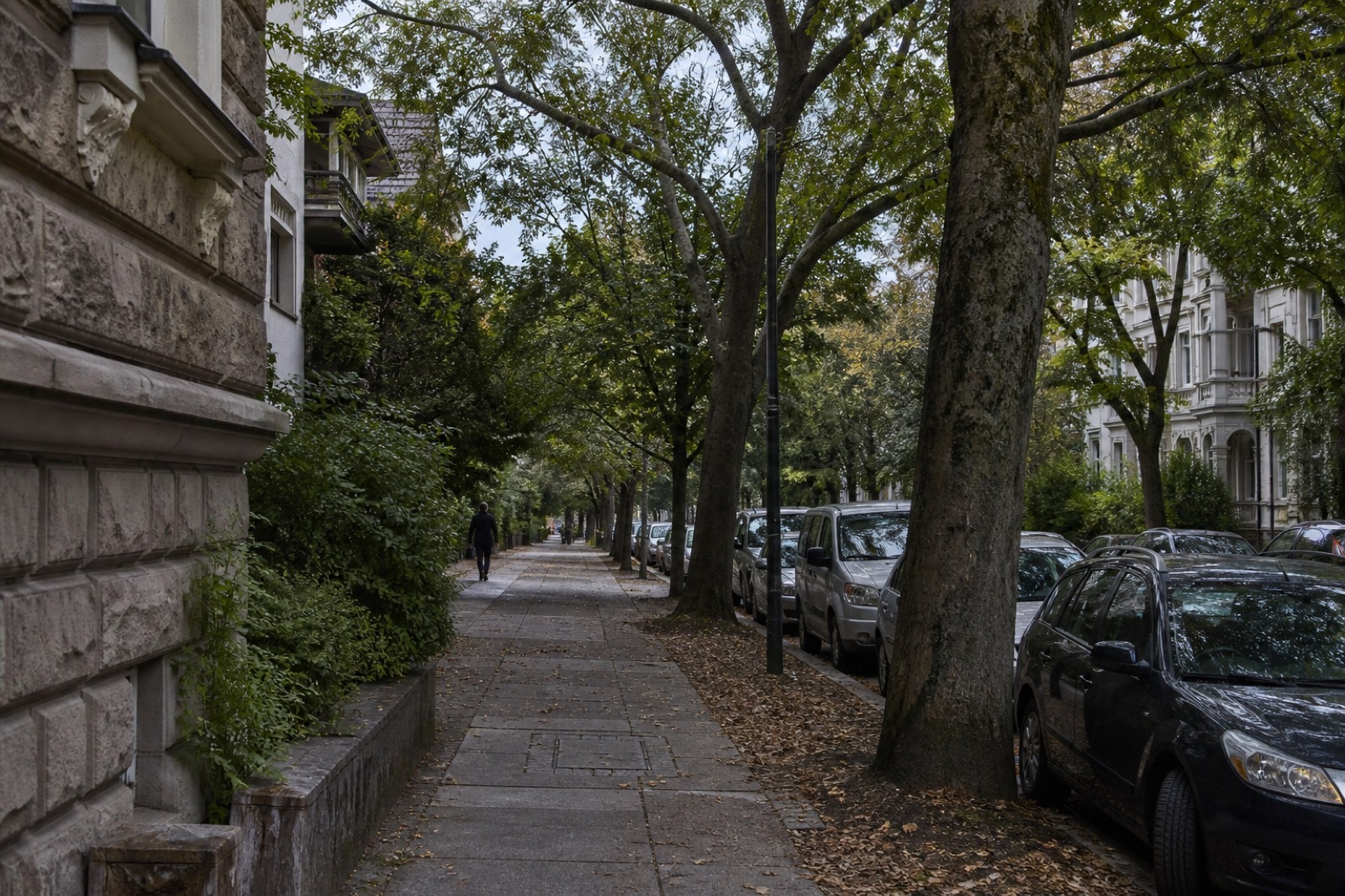
Heat, drought, and tight maintenance budgets are forcing a quieter shift: trees are no longer decoration along the curb. They are being planned, funded, and argued over like drains and streetlights.
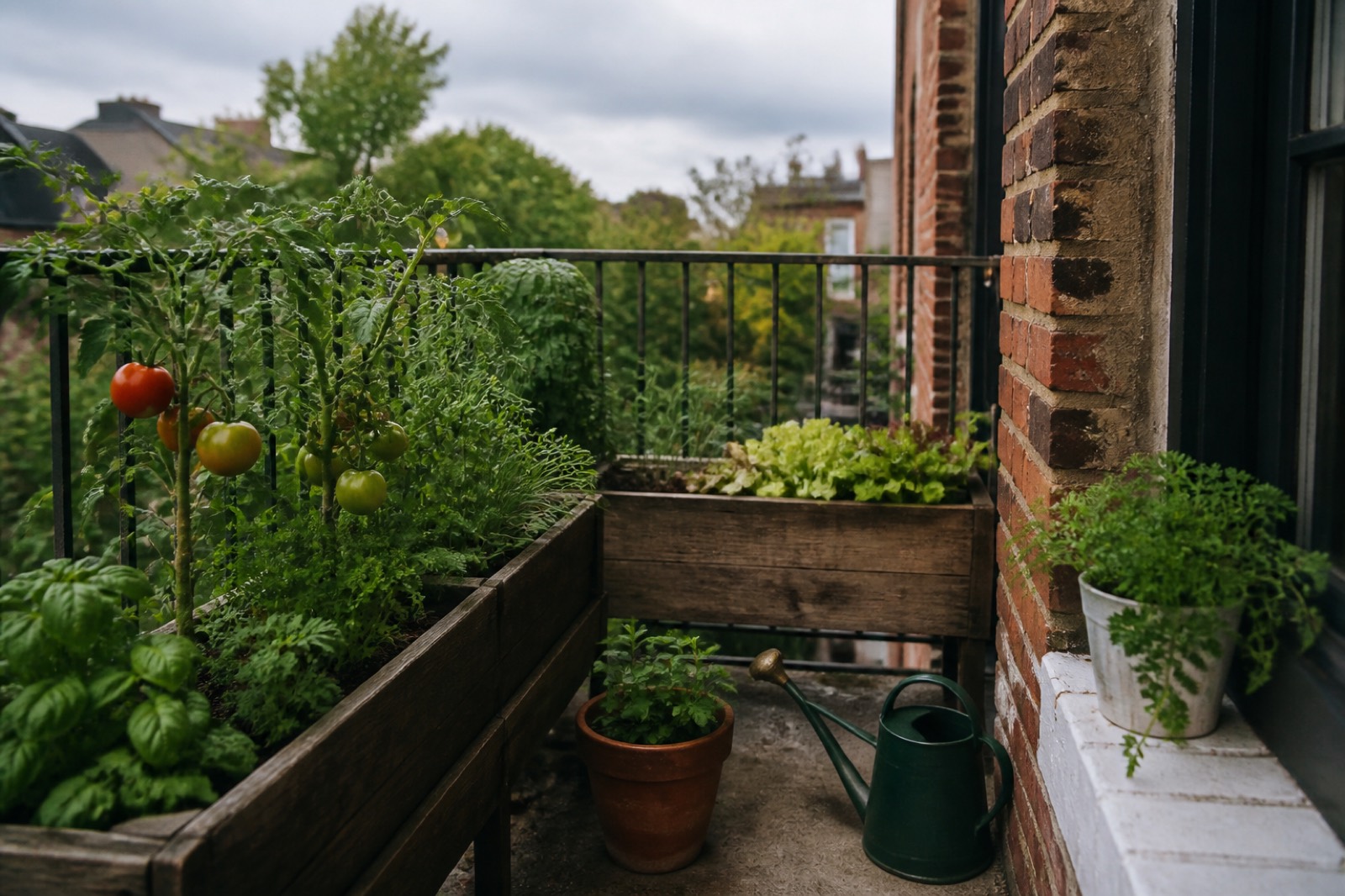
Container gardening will not feed a household. It can, with a little stubbornness, change what a small home produces in a summer — and what people learn about soil, water, and patience.
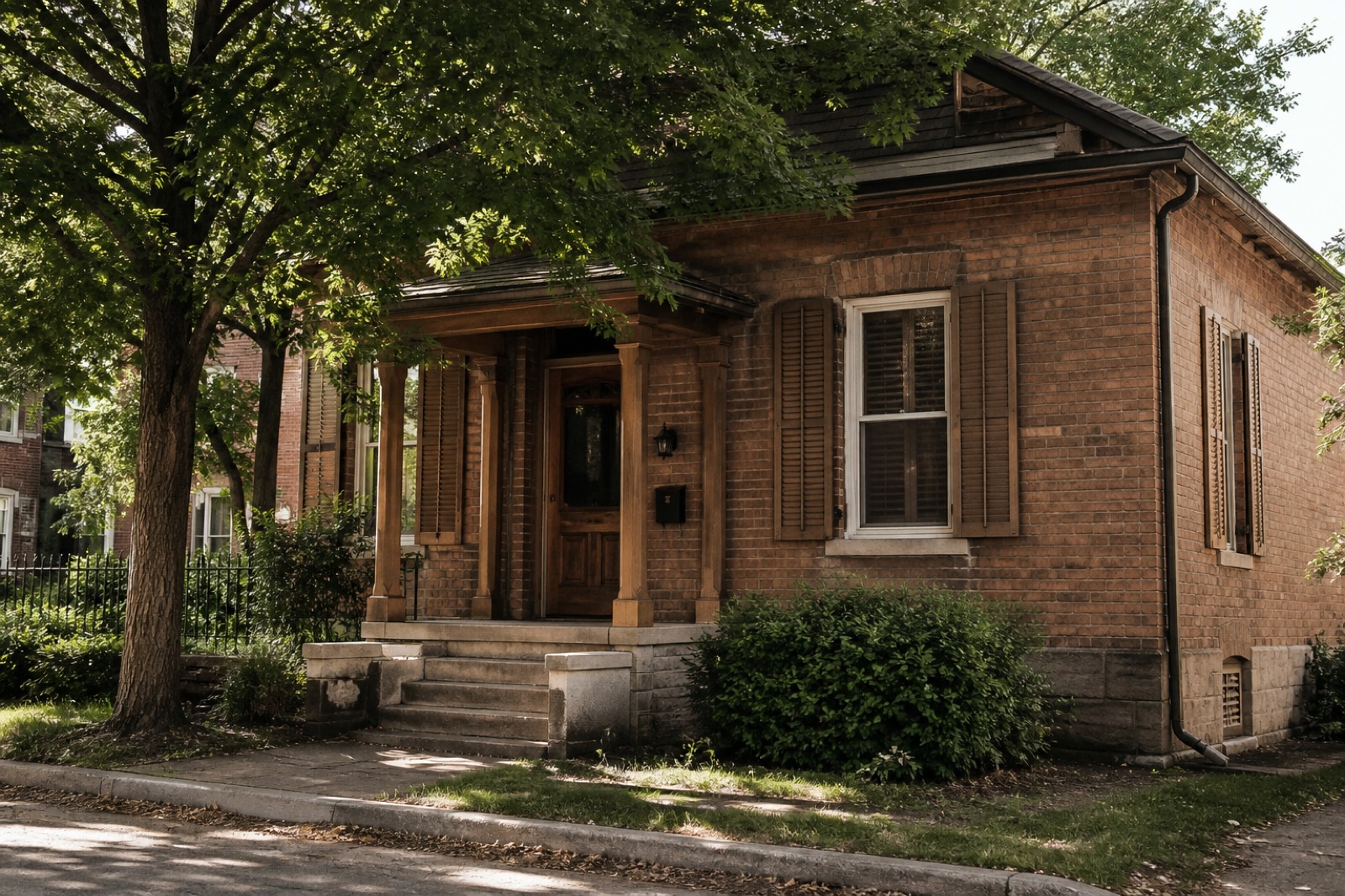
Before air conditioning was ordinary, houses managed heat with shutters, attics, and shade. Those habits still work. They just have to compete with glass extensions and the assumption that a machine will handle August.
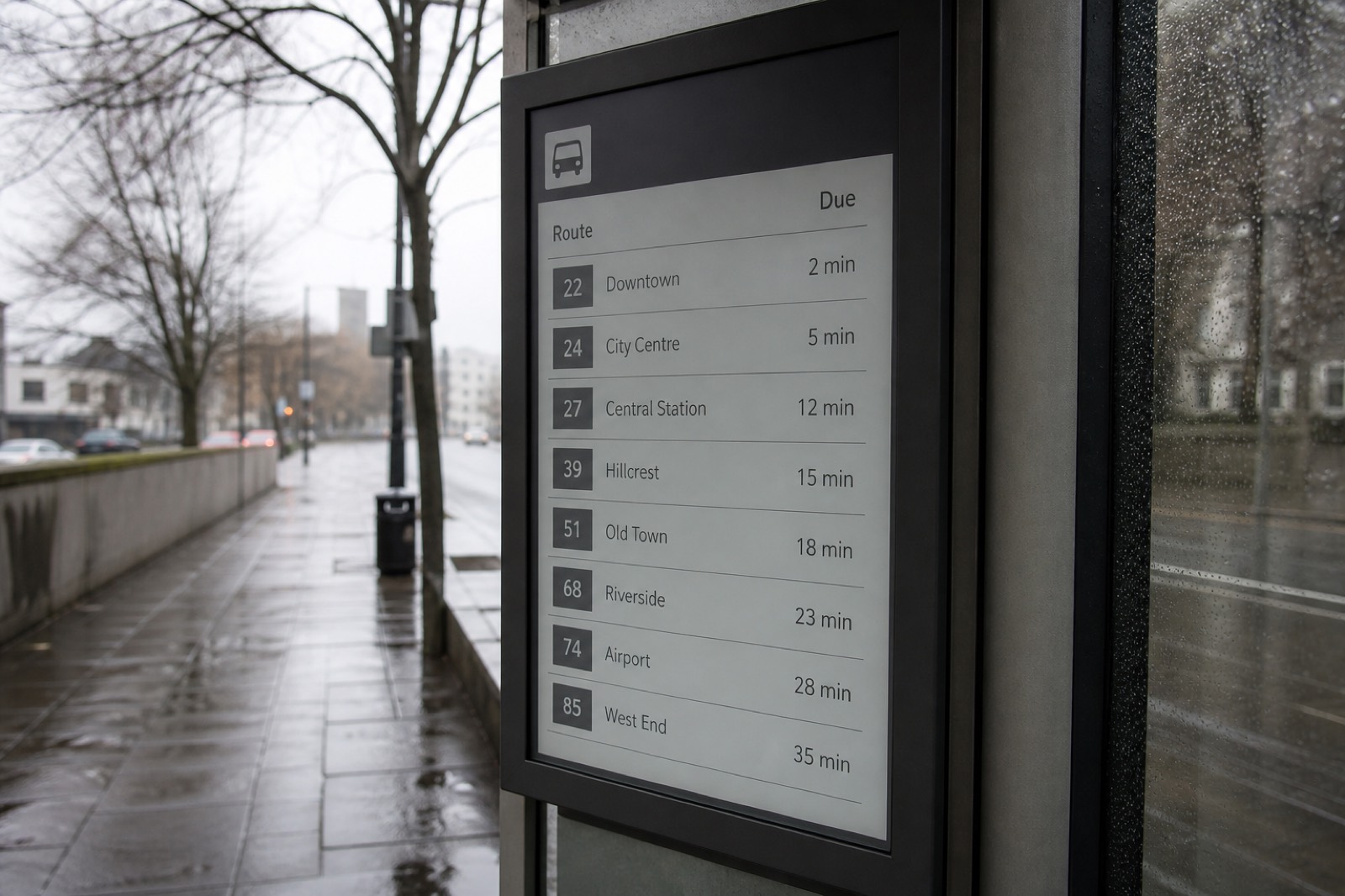
The same low-power screens that made digital books tolerable in sunlight are turning up on bus stops, warehouse shelves, and hospital badges. The appeal is not novelty. It is a battery that lasts and a display that does not shout.
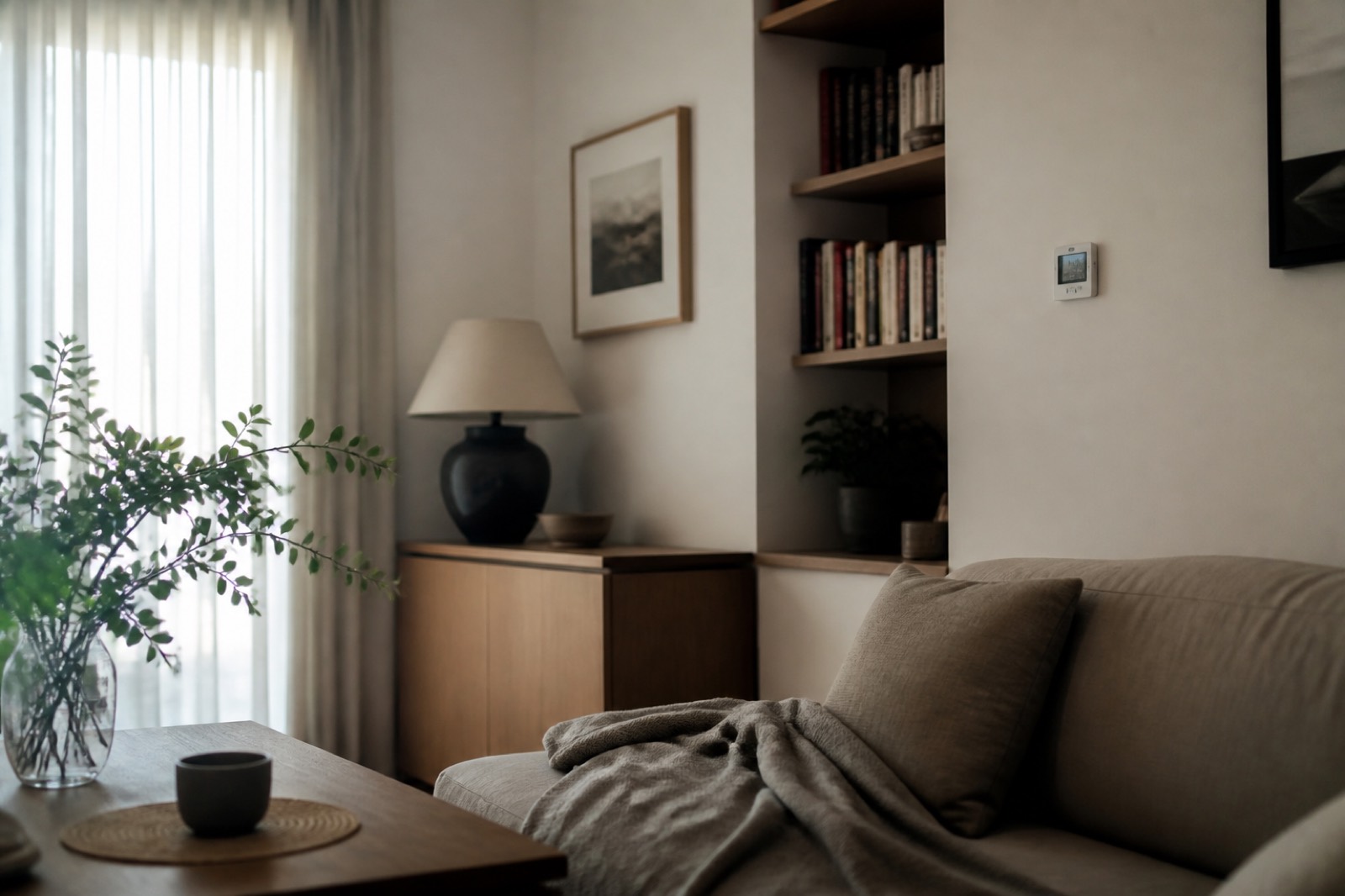
After a decade of voice assistants, colour-changing bulbs, and hubs that needed other hubs, the surviving devices are the dull ones: thermostats, locks, and a light you can turn off from the sofa. The rest was a rehearsal.
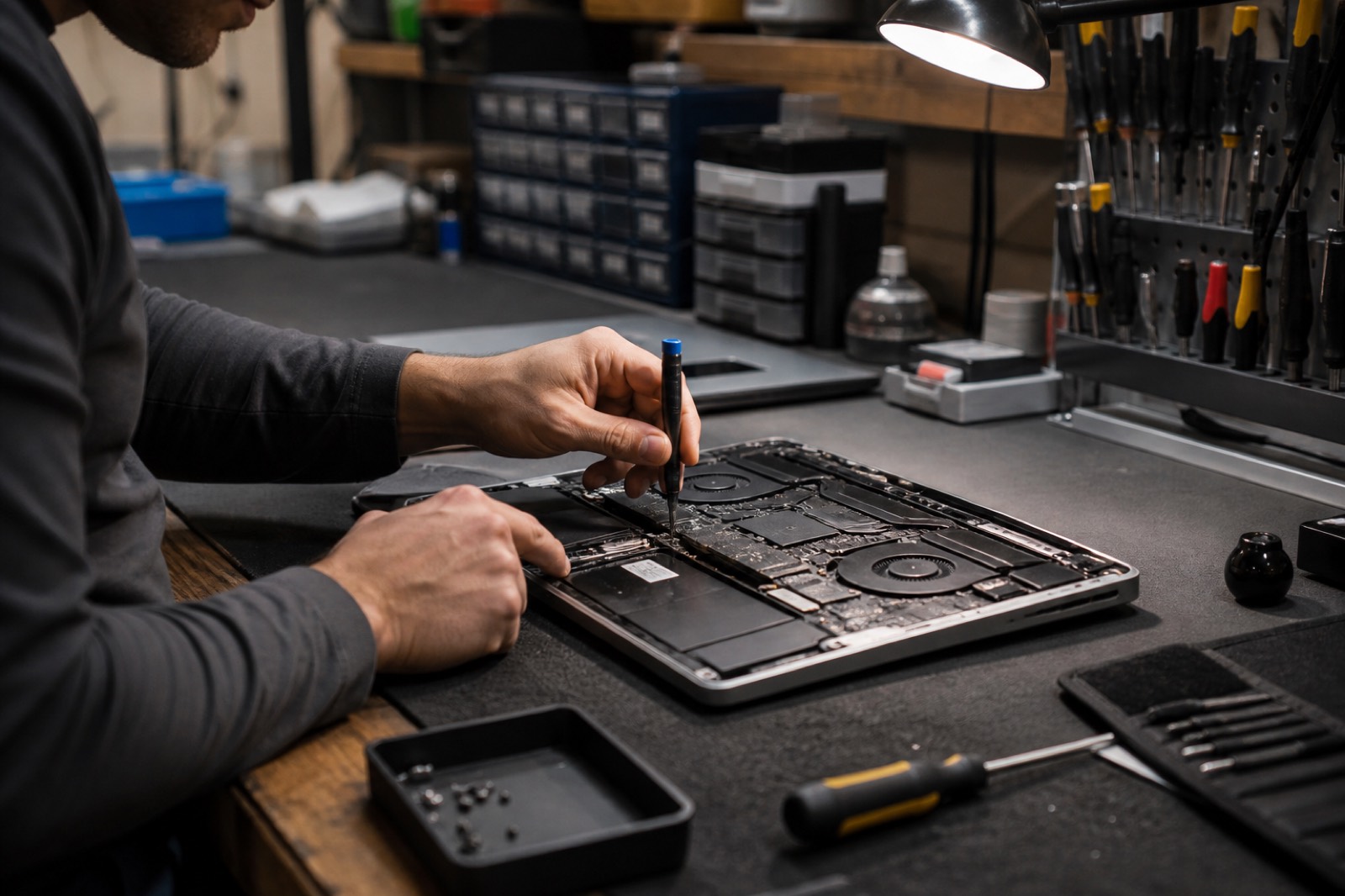
Right-to-repair laws have multiplied. So have glued batteries, serialised parts, and manuals that exist only as a PDF behind a login. The political argument is moving. The workbench is still a difficult place.
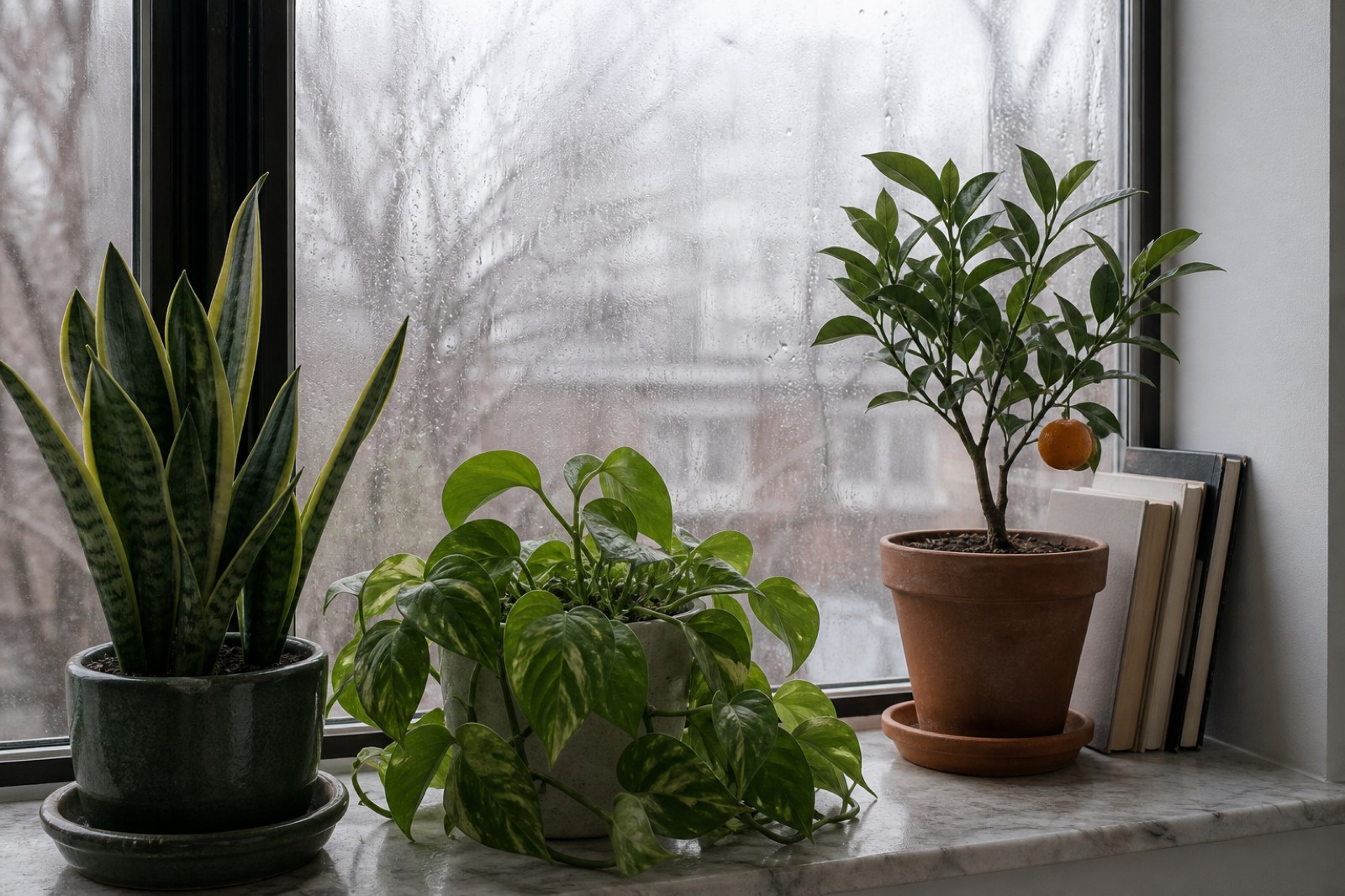
The houseplant craze left a residue of yellowing figs and guilty watering cans. The plants that remain in January are a shorter, tougher list — and a better guide to how rooms actually work.